Antropological: A Font That Bridges Design and Expression
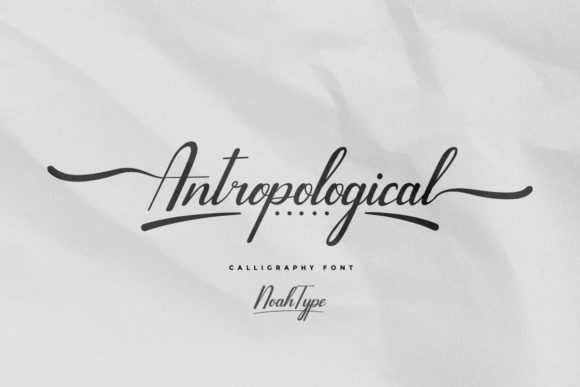
Antropological is a font that stands out for its unique blend of elegance, charm, and artistic flair. Designed to evoke a handwritten touch, it’s more than just a typographic choice—it’s an expressive tool that can elevate the visual impact of any design. Whether you're crafting wedding invitations, thank you cards, or business logos, Antropological offers a versatile and refined aesthetic that resonates with both creators and audiences.
The Art of Handwritten Typography
In a world dominated by digital communication, handwritten fonts like Antropological offer a nostalgic and personal connection. They bring warmth, individuality, and authenticity to text. Unlike standard sans-serif or serif fonts, Antropological mimics the fluidity and imperfections of hand-drawn script, making it ideal for projects where emotional resonance matters.
This font isn’t just about looks—it's about feeling. It adds character to every letter, creating a sense of intimacy and artistry that digital fonts often lack. Whether used in a logo, a greeting card, or a social media post, Antropological helps convey a message with more personality and depth.
Where Antropological Fits in the Design Process
Antropological is a great fit for any project that requires a handwritten or elegant touch. It can be used at various stages of a creative process—before, during, or after—to enhance the final output. Here are some common use cases:
- Wedding Invitations: The soft curves and graceful strokes of Antropological make it perfect for formal yet romantic wedding designs.
- Thank You Cards: Its charming appearance adds a personal feel to messages of gratitude and appreciation.
- Logos and Branding: Antropological can help create a brand identity that feels warm, approachable, and distinctive.
- Business Cards: For small businesses or creative professionals, this font can set them apart from competitors.
- Quotes and Greeting Cards: It’s ideal for short, impactful messages that need to stand out visually.
- Marketing Materials: From brochures to social media posts, Antropological brings a level of sophistication and creativity to marketing content.
By integrating Antropological into your design workflow, you’re not just choosing a font—you’re selecting a style that aligns with your brand voice and audience expectations.
Working with Antropological: Tips for Effective Use
To get the most out of Antropological, consider the following practical tips:
1. Pair Wisely: While Antropological is beautiful on its own, it works best when paired with complementary fonts. Use a clean, modern sans-serif or serif font for body text to ensure readability and balance.
2. Use It Sparingly: Because of its ornate and stylized nature, Antropological should be used in moderation. Save it for headlines, titles, and key phrases rather than entire paragraphs.
3. Explore Glyphs and Swashes: Since Antropological is PUA encoded, you have access to a wide range of glyphs and swashes. These can add extra flair and customization options to your designs.
4. Test Across Platforms: Ensure that the font displays correctly across different devices and platforms. Some systems may not support all glyphs, so always check your work in multiple environments.
5. Consider Readability: While the elegance of Antropological is appealing, don't compromise on readability. Use it in larger sizes or in contexts where legibility is still achievable.
Integration with Other Tools and Workflows
Antropological is designed to work seamlessly with a variety of design tools and workflows. Whether you're using Adobe Illustrator, Canva, Figma, or even Microsoft Word, the font integrates smoothly without requiring special setup or configuration.
For designers who rely on automation or templates, Antropological can be embedded into design assets or used as part of a brand kit. This makes it easy to maintain consistency across multiple projects and deliverables.
When working in collaborative environments, sharing Antropological with team members is straightforward. As long as they have access to the correct font file, they can use it without issues. This ensures that everyone involved in a project maintains the same visual standards.
Practical Workflow Examples
Let’s explore how Antropological can be incorporated into real-world scenarios:
Example 1: Creating a Wedding Invitation
- Start by designing the layout of the invitation.
- Select Antropological for the main title and text to add a personal, elegant touch.
- Pair it with a simple sans-serif font for the address and details.
- Use the swashes and glyphs to enhance the visual appeal of the design.
- Review the final product to ensure readability and aesthetic harmony.
Example 2: Developing a Business Card
- Sketch the layout of the business card.
- Use Antropological for the company name and tagline to create a memorable brand image.
- Keep the rest of the information in a clean, readable font.
- Ensure that the overall design reflects the brand’s tone and values.
- Print the card and test the font display to confirm quality and consistency.
These examples demonstrate how Antropological can be strategically integrated into different design processes to achieve both visual and functional goals.
Factors to Consider for Long-Term Use
When deciding to incorporate Antropological into your design routine, consider the following factors:
Preparation: Make sure you have the necessary font files and software to use Antropological effectively. This includes checking compatibility with your design tools and ensuring proper installation.
Compatibility: Verify that the font works well with the platforms and devices you use. This is especially important if you plan to share your work with others or use it in online formats.
Usability: Evaluate whether the font meets your specific needs. Does it enhance the message you want to convey? Is it suitable for the intended audience?
Organization: Keep your design assets organized. Store font files in a dedicated folder and label them clearly to avoid confusion, especially if you work on multiple projects.
Efficiency: Use Antropological only where it adds value. Avoid overusing it in ways that might compromise readability or clarity.
Consistency: Maintain a consistent application of the font across all design elements. This helps reinforce brand identity and ensures a cohesive look.
Quality Control: Always review your work before finalizing it. Check for any inconsistencies in font display, spacing, or alignment.
Long-Term Use: If you plan to use Antropological regularly, consider investing in a reliable font management system. This will help you manage updates, backups, and access to all available glyphs and swashes.
Conclusion
Antropological is more than just a font—it's a design asset that can elevate your creative output and connect with your audience on a deeper level. By understanding its strengths, limitations, and integration possibilities, you can use it effectively in a wide range of design workflows.
Whether you're a designer, marketer, educator, or hobbyist, incorporating Antropological into your routine can add a unique and elegant touch to your projects. With careful planning, thoughtful implementation, and ongoing refinement, this font can become a valuable part of your design toolkit.