Kenoya: A Font That Elevates Design
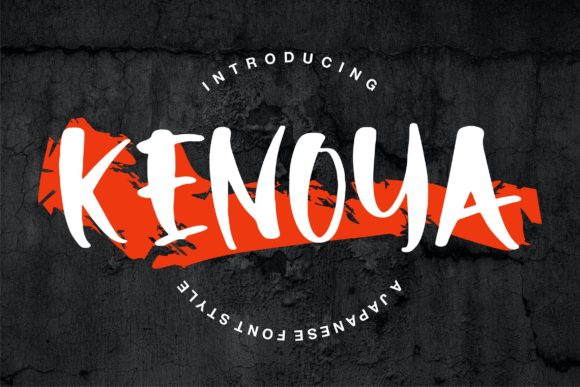
Kenoya is a beautiful display font inspired by Japanese calligraphy, designed to bring elegance and artistry to any design project. Its unique style makes it an ideal choice for a variety of applications, from greeting cards to branding materials. Whether you're a designer, marketer, or creative professional, Kenoya offers a versatile and visually striking option that can transform your work into something truly special.
The Art of Japanese Calligraphy in Typography
Kenoya draws its inspiration from the traditional art of Japanese calligraphy, which emphasizes balance, rhythm, and fluidity. This influence is evident in the font's graceful curves and subtle variations in stroke weight, giving it a handcrafted feel that feels both modern and timeless.
Unlike many standard fonts that prioritize readability above all else, Kenoya focuses on visual appeal and artistic expression. It’s not just about how text looks—it’s about how it feels. The font’s organic shapes and expressive strokes create a sense of movement and emotion that can enhance the overall message of your design.
Why Choose Kenoya?
Kenoya stands out for several reasons. First, its aesthetic appeal makes it perfect for projects where visual impact is key. Second, it’s highly adaptable, working well in both digital and print formats. Third, its versatility allows it to be used in a wide range of contexts, from personal to professional.
One of the most notable qualities of Kenoya is its ability to convey emotion. The font’s flowing lines and elegant structure make it ideal for messages that require warmth, sophistication, or creativity. Whether you’re designing a thank-you card or a brand logo, Kenoya adds a touch of refinement that can elevate your work.
Practical Applications Across Multiple Domains
Kenoya is more than just a decorative font—it’s a powerful tool that can be applied in various real-world scenarios. Here are some practical examples:
- Greeting and Thank You Cards: Kenoya’s elegant style is perfect for creating visually appealing cards that convey appreciation and thoughtfulness.
- Branding Materials: From logos to packaging, Kenoya can help establish a brand identity that feels both artistic and professional.
- Business Cards: Use Kenoya to make your business cards stand out and leave a lasting impression on clients and customers.
- Quotes and Posters: Its artistic nature makes it ideal for displaying inspirational quotes or creating eye-catching posters.
- Digital Content: Whether it’s website headers, social media graphics, or email signatures, Kenoya adds a unique flair to digital designs.
- Education and Publishing: Teachers and publishers can use Kenoya to create engaging materials that capture students’ attention and enhance learning experiences.
These applications highlight how Kenoya can be integrated into different aspects of daily life and professional work. Its adaptability ensures that it remains relevant across a wide spectrum of design needs.
Enhancing Communication and Branding
When selecting a font, it’s important to consider how it affects communication and branding. Kenoya offers a unique advantage in this regard. Its distinctive style helps your message stand out, making it easier for audiences to remember and connect with your content.
In terms of branding, Kenoya can help create a strong visual identity that reflects the personality and values of your business. For instance, a boutique or creative agency might use Kenoya to convey a sense of artistry and professionalism. Similarly, educators can use it to create materials that feel more engaging and approachable.
Moreover, Kenoya’s visual appeal can increase user engagement. Studies have shown that people are more likely to pay attention to and remember content that is visually stimulating. By incorporating Kenoya into your designs, you can improve the overall user experience and encourage greater interaction with your content.
Considerations When Using Kenoya
While Kenoya is a fantastic font, it’s important to use it appropriately. Because it’s a display font, it may not be suitable for long blocks of text. Instead, it works best as a headline, title, or accent element.
Additionally, when using Kenoya in digital formats, ensure that it’s properly embedded or licensed. Always check the font’s licensing agreement to avoid any legal issues. Many designers offer free or paid versions of their fonts, so it’s important to choose one that aligns with your usage requirements.
Finally, consider the context in which you’re using Kenoya. While its artistic nature is a strength, it should complement the overall design rather than overpower it. Pair it with simpler fonts for body text to maintain readability and balance.
Conclusion
Kenoya is more than just a font—it’s a design tool that can elevate your creative projects and enhance your communication. With its roots in Japanese calligraphy, it brings a level of sophistication and artistry that few other fonts can match. Whether you’re working on personal projects, branding materials, or digital content, Kenoya has the potential to transform your work into something truly memorable.