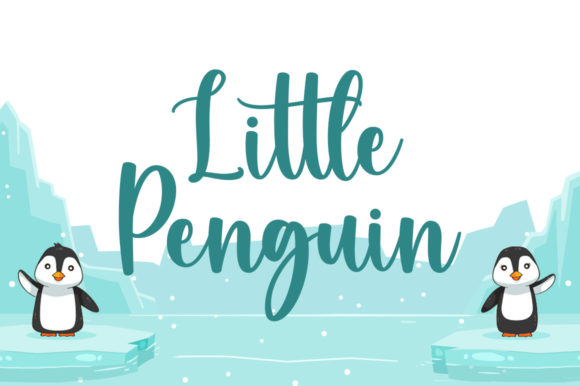
Little Penguin: A Handwritten Font with a Unique Charm
Little Penguin is a magical handwritten font that brings a touch of whimsy and elegance to any design project. Designed with care and attention to detail, this font stands out for its distinctive style and versatility. Whether you're crafting invitations, thank you cards, quotes, or logos, Little Penguin offers a personalized aesthetic that can elevate your creative work.
The Distinctiveness of Little Penguin
What sets Little Penguin apart from other fonts is its unique blend of handwritten charm and refined structure. Unlike many digital fonts that mimic handwriting with a lack of personality, Little Penguin feels alive, as if each letter was carefully drawn by hand. This gives it a warm, friendly, and approachable feel that resonates well with a wide range of audiences.
The font’s design features include soft curves, subtle flourishes, and a consistent rhythm that makes it both readable and visually appealing. Its playful yet elegant nature allows it to adapt to various design contexts without losing its character. Whether used in a formal setting or a more casual one, Little Penguin maintains its charm and effectiveness.
Where Little Penguin Shines
Little Penguin is particularly well-suited for projects where a personal and artistic touch is desired. It excels in the following areas:
- Invitations: The font adds a sense of warmth and individuality to wedding, birthday, or event invitations.
- Thank You Cards: Its friendly appearance makes it ideal for expressing gratitude in a heartfelt way.
- Quotes and Sayings: The font's readability and visual appeal make it perfect for motivational or inspirational text.
- Greeting Cards: Whether for birthdays, holidays, or special occasions, Little Penguin enhances the message with a touch of personality.
- Logos and Branding: For small businesses or creative ventures, the font can help create a memorable brand identity.
- Business Cards: A custom-designed business card using Little Penguin can set a designer or artist apart from the crowd.
These use cases highlight how Little Penguin can be a valuable tool for designers looking to add a unique element to their work without compromising on clarity or professionalism.
Comparing Little Penguin to Other Handwritten Fonts
While there are many handwritten fonts available, Little Penguin has several advantages that make it stand out in comparison:
Firstly, its consistency in style ensures that it remains legible even when used in larger formats or across multiple pages. Many other handwritten fonts can become difficult to read at certain sizes, but Little Penguin maintains its clarity and aesthetic throughout.
Secondly, the font's design is optimized for both digital and print use, making it a versatile choice for a variety of media. This is a key advantage over some fonts that may look great on screen but fail to translate well to printed materials.
Additionally, Little Penguin is designed with scalability in mind. Whether you're creating a small logo or a large banner, the font retains its visual appeal and readability. This makes it an excellent choice for designers who need a font that can adapt to different project requirements.
When to Choose Little Penguin and When to Look for Alternatives
While Little Penguin is a fantastic option for many design projects, it may not be the best fit for every situation. Consider the following scenarios where another font might be more appropriate:
- Formal Documents: For legal documents, reports, or professional correspondence, a more traditional serif or sans-serif font is often preferred for its clarity and professionalism.
- Large Body Text: If you're designing a website or a publication that requires long blocks of text, a more structured font would typically offer better readability.
- Minimalist Designs: In projects that emphasize simplicity and clean lines, a minimalist font may be more suitable than a decorative one like Little Penguin.
- Branding That Requires Neutrality: If your brand needs to convey a sense of professionalism or universality, a neutral font may be a better match.
However, for projects that require a personal touch, creativity, or a unique visual identity, Little Penguin is an excellent choice. It provides a balance between artistic expression and functional design, making it a versatile tool for a wide range of applications.
Practical Examples of Using Little Penguin
To better understand how Little Penguin can be applied in real-world scenarios, consider these examples:
Example 1: A local bakery uses Little Penguin on their menu cards and packaging to create a friendly and inviting atmosphere. The font helps reinforce the brand’s personality while ensuring the text is easy to read.
Example 2: A graphic designer creates a series of social media posts featuring quotes about creativity and inspiration. By using Little Penguin, they add a personal and artistic flair that aligns with their brand image.
Example 3: A small business owner designs a custom logo using Little Penguin to reflect their company’s values of warmth and approachability. The font becomes a key element in building a strong brand presence.
These examples demonstrate how Little Penguin can be integrated into various design contexts, offering both aesthetic value and practical benefits.
Making an Informed Decision
Choosing the right font is an important decision that can significantly impact the overall look and feel of your design. When considering Little Penguin, it's essential to evaluate your specific needs and goals. Ask yourself questions such as:
- What is the primary purpose of the design?
- Who is the target audience?
- Does the design require a high level of readability?
- What kind of visual style do you want to convey?
- Will the font be used in print or digital formats?
By carefully considering these factors, you can determine whether Little Penguin is the right choice for your project or if another font might be more suitable.