Ostrich Habitat: A Serif Font for Sophisticated Design Workflows
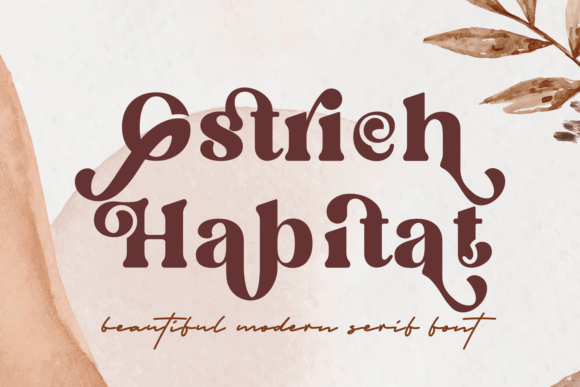
Ostrich Habitat is a modern and classy serif font that brings a sense of elegance and professionalism to any design project. Its sophisticated and solemn aesthetic makes it particularly well-suited for branding, publishing, and creative work where clarity and visual appeal are equally important. Whether you're designing a logo, crafting a magazine layout, or creating marketing materials, Ostrich Habitat offers a refined look that can elevate your output without sacrificing readability.
Understanding Ostrich Habitat in the Context of Design Workflows
When considering the role of typography in design workflows, it's essential to recognize how fonts like Ostrich Habitat fit into the broader process of content creation and visual communication. This font isn't just about aesthetics—it's about functionality and integration. It serves as a bridge between form and function, ensuring that the message remains clear while the presentation remains stylish.
Ostrich Habitat is PUA encoded, which means that all glyphs and swashes are accessible through standard font tools. This feature is especially useful for designers who need to customize their typefaces for specific projects. Whether you're working on a brochure, a website, or a presentation, having full access to the font’s character set allows for greater flexibility and creativity in your design choices.
Where Ostrich Habitat Fits in Your Workflow
Ostrich Habitat can be used at various stages of a project, depending on the needs of the task at hand. For instance, during the initial planning phase, this font can help set a tone that aligns with the brand's identity. If you're designing a logo or a business card, its classic yet contemporary style can make a strong first impression.
During the execution phase, Ostrich Habitat can be integrated into digital and print materials. Its clean lines and elegant curves make it ideal for headers, titles, and other prominent text elements. When paired with complementary fonts for body text, it creates a balanced and professional look that enhances readability without overwhelming the reader.
In the final review and quality control stage, using Ostrich Habitat ensures consistency across all deliverables. Its PUA encoding also helps maintain uniformity when exporting files or sharing designs with clients, making it easier to ensure that the font renders correctly in different environments.
Integration with Other Tools and Platforms
Ostrich Habitat works seamlessly with a wide range of design tools, including Adobe Illustrator, InDesign, Photoshop, and even web development platforms like WordPress and Figma. Its compatibility with these platforms means that you can use it across multiple mediums without worrying about formatting issues.
For web developers, Ostrich Habitat can be embedded via @font-face or used as a Google Fonts alternative. This versatility ensures that your design maintains its intended appearance regardless of the platform or device it's viewed on. When working with responsive design principles, it's important to test how the font behaves at different screen sizes to ensure optimal user experience.
Practical Implementation Tips
To get the most out of Ostrich Habitat, start by assessing your project's requirements. Is the font suitable for headlines, body text, or both? Consider how it will interact with other elements in your design, such as color schemes, spacing, and contrast. A well-balanced design relies on thoughtful typography choices that complement rather than compete with other visual components.
When implementing Ostrich Habitat in your workflow, take time to experiment with different weights and styles. The font offers a variety of options that can be tailored to suit your project's needs. For example, using a lighter weight for subheadings and a bolder weight for main titles can create a hierarchy that guides the reader's attention effectively.
Additionally, consider the long-term usability of the font. If you're designing materials that will be used frequently, such as a company newsletter or a product catalog, investing in a high-quality font like Ostrich Habitat ensures that your content remains visually consistent over time.
Use Cases and Real-World Applications
Ostrich Habitat is particularly well-suited for a variety of real-world applications. For professionals in marketing, it can enhance the visual appeal of campaign materials, brochures, and presentations. Educators and bloggers may find it useful for creating engaging content that stands out while maintaining a professional tone.
Entrepreneurs and small business owners can leverage Ostrich Habitat to build a cohesive brand identity across all touchpoints. From business cards to social media graphics, the font's elegance and sophistication help reinforce a brand's image and values. Freelancers and creatives, too, can benefit from its versatility in both print and digital formats.
Conclusion
Ostrich Habitat is more than just a font—it's a tool that can enhance your design workflow and elevate your creative output. Its combination of style, functionality, and accessibility makes it an excellent choice for a wide range of projects. By understanding how to integrate it into your workflow, you can ensure that your designs remain consistent, professional, and impactful.