Wedding Dream: The Perfect Font for Handwritten Elegance
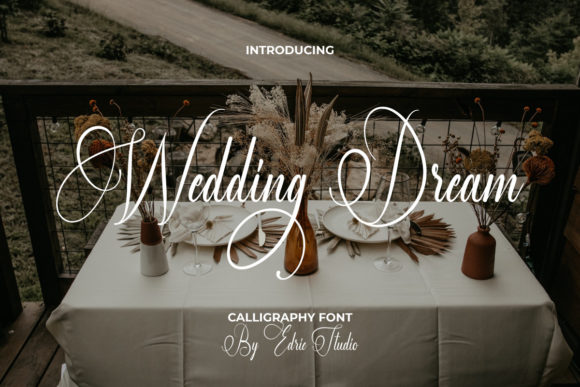
When it comes to designing wedding-related materials, the right font can make all the difference. Wedding Dream is a font that stands out for its charm and elegance. Whether you're crafting invitations, thank you cards, or logos, this font adds a personal touch that feels both refined and heartfelt. Its handwritten style brings warmth and authenticity to any design, making it a favorite among creatives and professionals alike.
Why Wedding Dream Is a Standout Choice
Wedding Dream is more than just a pretty font—it's a versatile tool for anyone looking to enhance their design projects with a touch of sophistication. With its soft curves and delicate swashes, it captures the essence of handwritten notes while maintaining a level of professionalism. This makes it ideal for both formal and casual designs, from elegant wedding invitations to cozy thank-you cards.
One of the key features of Wedding Dream is its PUA encoding. This means that every glyph and swash is accessible, allowing users to customize their designs without limitations. Whether you're creating a logo for your business or a greeting card for a client, having full access to all characters ensures that your final product looks exactly as intended.
Common Mistakes When Using Wedding Dream
Despite its many benefits, some users make mistakes when working with Wedding Dream. One common error is not considering the font’s readability in different contexts. While it may look beautiful in print, it might not be suitable for digital use if the text is too small or the background is too dark. Always test your design across multiple platforms to ensure clarity and legibility.
Another mistake is overlooking the importance of pairing Wedding Dream with complementary fonts. Using it as the sole font in a design can sometimes overwhelm the reader. Instead, pair it with a clean sans-serif font for headings or body text to create a balanced visual hierarchy.
Some users also fail to check the licensing terms before using Wedding Dream. Depending on where you download it from, there may be restrictions on commercial use or redistribution. Always read the fine print to avoid potential legal issues.
How These Mistakes Affect Your Work
Making these errors can lead to several negative outcomes. Poor readability can confuse your audience and reduce the effectiveness of your message. Inconsistent font pairing may result in a cluttered design that fails to convey the intended emotion or professionalism. Legal issues stemming from improper licensing can damage your reputation and cost you money in the long run.
By avoiding these pitfalls, you can ensure that your use of Wedding Dream enhances rather than hinders your design goals.
Practical Tips for Using Wedding Dream Successfully
To get the most out of Wedding Dream, start by understanding its strengths and limitations. Use it for decorative elements like titles, quotes, or signatures, rather than large blocks of text. This helps maintain its elegance while ensuring readability.
When choosing a platform or software to work with Wedding Dream, opt for one that supports OpenType features. This allows you to access all the glyphs and swashes, giving you greater control over your design. Adobe Illustrator and InDesign are excellent choices for this purpose.
Before finalizing your design, always preview it in different sizes and colors. This will help you identify any issues with contrast or legibility. You can also test how it looks on various devices, including smartphones and tablets, to ensure a consistent experience across all platforms.
Realistic Examples and Better Approaches
Imagine you're designing a wedding invitation. Using Wedding Dream for the main text might make it difficult to read, especially if the font size is too small. Instead, use it for the title or a signature line to add a personal touch without compromising clarity.
Another example is a thank-you card for a client. Applying Wedding Dream to the entire message could make it hard to follow. Instead, use it for a quote or a closing line to create a warm and memorable impression.
By applying these strategies, you can maximize the impact of Wedding Dream while maintaining a professional and readable design.
What to Check Before Using Wedding Dream
Before incorporating Wedding Dream into your project, consider the following:
- License Terms: Ensure you have the right to use the font commercially or for personal projects.
- Font Compatibility: Verify that your chosen software supports all glyphs and swashes.
- Readability: Test the font in different sizes and backgrounds to ensure it remains legible.
- Design Context: Choose appropriate applications for the font based on its aesthetic and functional qualities.
These checks will help you avoid common mistakes and ensure that your use of Wedding Dream aligns with your design goals.
Final Thoughts
Wedding Dream is a powerful tool for designers who want to add a handwritten touch to their work. By understanding its strengths, avoiding common mistakes, and applying practical advice, you can create stunning designs that resonate with your audience. Whether you're a beginner or a seasoned professional, this font offers endless possibilities for creativity and elegance.